

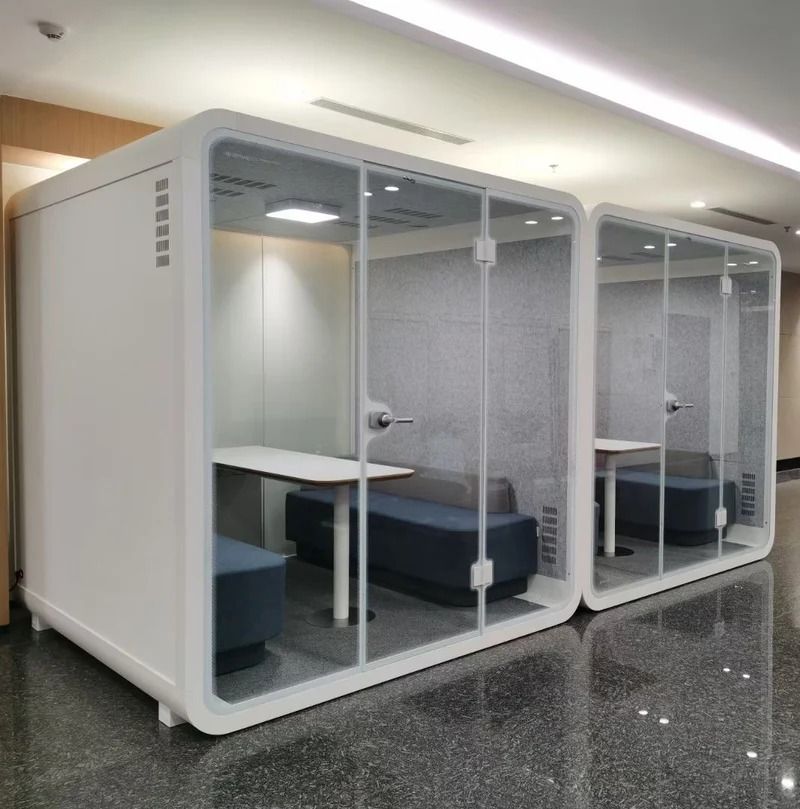
Practical Guide to Choosing an Office Soundproof Booth
Assess Your Noise Problems Before You Shop
Start by identifying exactly what kind of noise is disrupting work in your space. Common issues include speech bleed from open-plan desks, printer and HVAC hum, and sudden interruptions during phone calls. Walk the office at different times soundproof phone booth office of day and note when distractions spike and which areas are worst. This makes it easier to select a booth that matches your specific acoustic needs rather than relying on generic claims.
Next, determine whether you need more sound reduction for outgoing speech, incoming noise, or both. If your main concern is colleagues hearing what you say, prioritize strong door seals and a design that controls sound leakage at joints and corners. If outside noise is the bigger problem, look for materials and construction that dampen mid and high frequencies typical of conversation. Finally, measure your available footprint and consider how often multiple people will enter, since room size affects both comfort and acoustic performance.
Match Booth Design to Real Office Workflows
Not every workspace uses the same type of privacy. Some teams need a place for short, frequent calls, while others require deeper focus for client meetings or report writing. Choose a booth that supports the activities you do most often, including office privacy pods how you position a laptop, how you handle cables, and where you place a chair. A practical soundproof office setup should feel natural to use, or employees will avoid it and privacy will fail.
Also consider ventilation and comfort, because a booth that feels stuffy will be used less. Look for designs that manage airflow without creating distracting noise, and ensure interior space supports the posture you maintain during calls. Lighting matters too: glare and poor visibility cause people to rush in and out, which undermines the purpose of having a controlled environment. If you plan to use a booth for meetings, prioritize acoustic stability and usability so conversations stay clear while surrounding chatter remains outside.
Plan Placement, Installation, and Compliance
Place the booth away from the loudest sound sources when possible, such as printer corners or high-traffic walkways. If relocation is limited, use a placement strategy that minimizes direct line-of-sight sound paths and reduces vibration transfer from nearby surfaces. You should also consider floor type and wall construction, since shared building elements can carry sound even when the booth itself is well insulated.
Installation planning is equally important for long-term performance. Confirm that the booth can be set up safely in your specific environment, including clearances for the door swing and any required access panels. Ask about how the system handles power and connectivity, especially if you need consistent audio performance during calls. For compliance, ensure any electrical work follows local requirements, and verify that fire safety guidelines for egress and occupancy are addressed in your layout.
Conclusion
When you prioritize sealing, comfort, ventilation, and smart placement, you get privacy that employees will actually use. Thoughtful installation and basic planning for power and access help the booth perform as intended over time. If you want a reliable solution for quiet calls and focused professional work, consider the acoustic options from soundboxstore. Their products are designed to create controlled sound environments for modern businesses, supporting better communication without the constant interruptions of open-plan offices. Pair the right booth with your workflow and space constraints, and you’ll build a more respectful, productive workplace.