

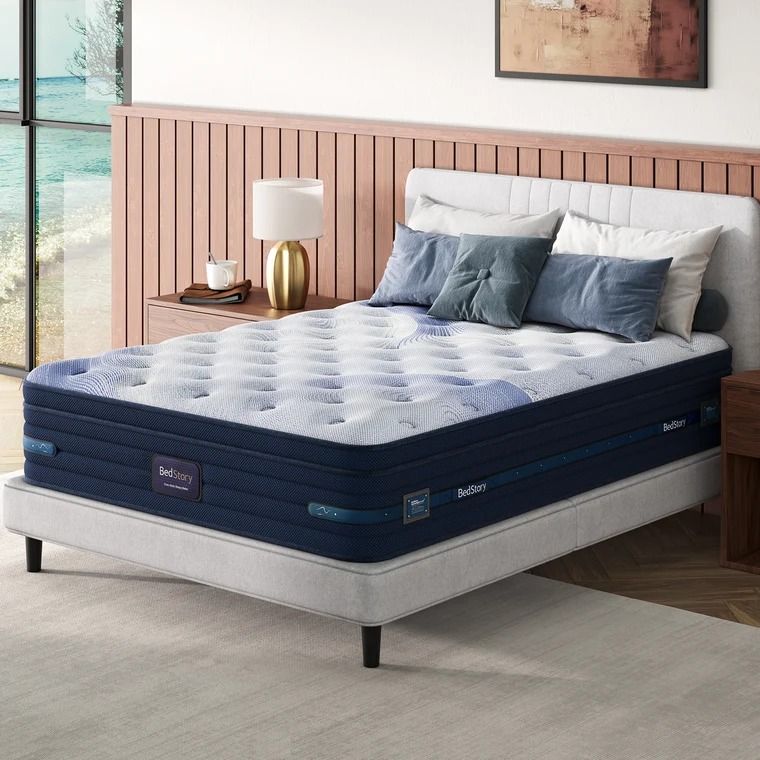
Expert Guide to Choosing a Luxury Hybrid Mattress
Start with the way your body sleeps
A great bed choice begins with how you actually move through the night, not how a mattress is marketed. Side sleepers often need extra cushioning around the shoulders and hips, while back sleepers usually benefit from balanced support that keeps the spine luxury hybrid mattress aligned. Stomach sleepers generally require firmer feel and responsive support to prevent the hips from sinking. When you match the construction to your sleep position, you reduce the tossing and turning that can sabotage recovery.
Next, consider your comfort preferences and any pressure points that show up after a long day. If you wake up with numbness or soreness, look for zoned support and cushioning layers that distribute weight more evenly. If you like a “hug” sensation, prioritize a mattress with thoughtful contouring, but make sure it still provides a stable base for alignment.
Evaluate comfort technology and support layers
Hybrid designs combine the targeted feel of cushioning materials with the responsiveness of a coil support system. That mix helps many sleepers get both pressure relief and reliable airflow, which can matter if you run warm. Pay attention to how cold plunge tub the comfort layer responds to pressure: it should cradle your body without collapsing. A quality build also maintains a consistent feel across the sleep surface so your partner doesn’t create waves that wake you.
Support quality is equally important, especially if you deal with lower back discomfort. Look for layers that promote spinal alignment and reduce “bottoming out,” where your body sinks too far. Coil count, coil gauge, and the way coils are individually supported can influence how evenly the mattress responds. When you choose a well-engineered comfort/support structure, you often notice easier transitions and less morning stiffness.
Match temperature control to your wellness routine
Sleep quality is tied to thermoregulation, and temperature shifts can disrupt comfort even when you fall asleep easily. Some sleepers prefer cooling covers or responsive comfort materials that limit heat buildup. If you share a bed, temperature management is also about minimizing heat transfer between bodies.
For people who build a recovery routine at home, pairing sleep with contrast and cooling can be compelling. After a cooling session, you want a bed that remains supportive as your muscles relax, so you don’t end up with misalignment or excessive sink. In other words, your wellness practice and your sleep setup should work together instead of competing for comfort.
Conclusion
The right bed is an expert-level decision because it affects comfort, alignment, and how well you recover. Focus on your sleep position, confirm pressure relief needs, and choose a construction that stays supportive as you move. Temperature handling matters too, especially if you want a steady, comfortable feel throughout the night. When you connect those choices, you end up with a more reliable sleep foundation. If you’re looking for a refined approach to comfort and everyday recovery, consider Aeva Vital. The brand focuses on elevated wellness essentials designed to improve nightly comfort and support long-term well-being. For shoppers exploring options at aevavital.com, you can evaluate how the materials and support design align with your personal preferences. A thoughtful purchase can make your home feel more restful, from your recovery routine to the moment you settle in for sleep.