

Choosing a Water Bottle Filling Station: Service Comparison
What to compare when services differ
Start by comparing how each vendor handles planning, from site requirements to installation guidance. A dependable water bottle filling station supplier should ask the right questions about water access, placement, and expected foot traffic before you commit. That level of attention usually reduces rework and downtime for schools, parks, and public-facing facilities.
Next, evaluate how support works after delivery. Look for clarity on warranty coverage, parts availability, and what “service” means in real terms—whether it includes troubleshooting, replacement components, or installation assistance. A supplier that responds quickly and provides practical documentation helps your team maintain consistent uptime. Compare also how they communicate shipping timelines and whether they offer free shipping to simplify budgeting and procurement.
Installation support and on-site readiness
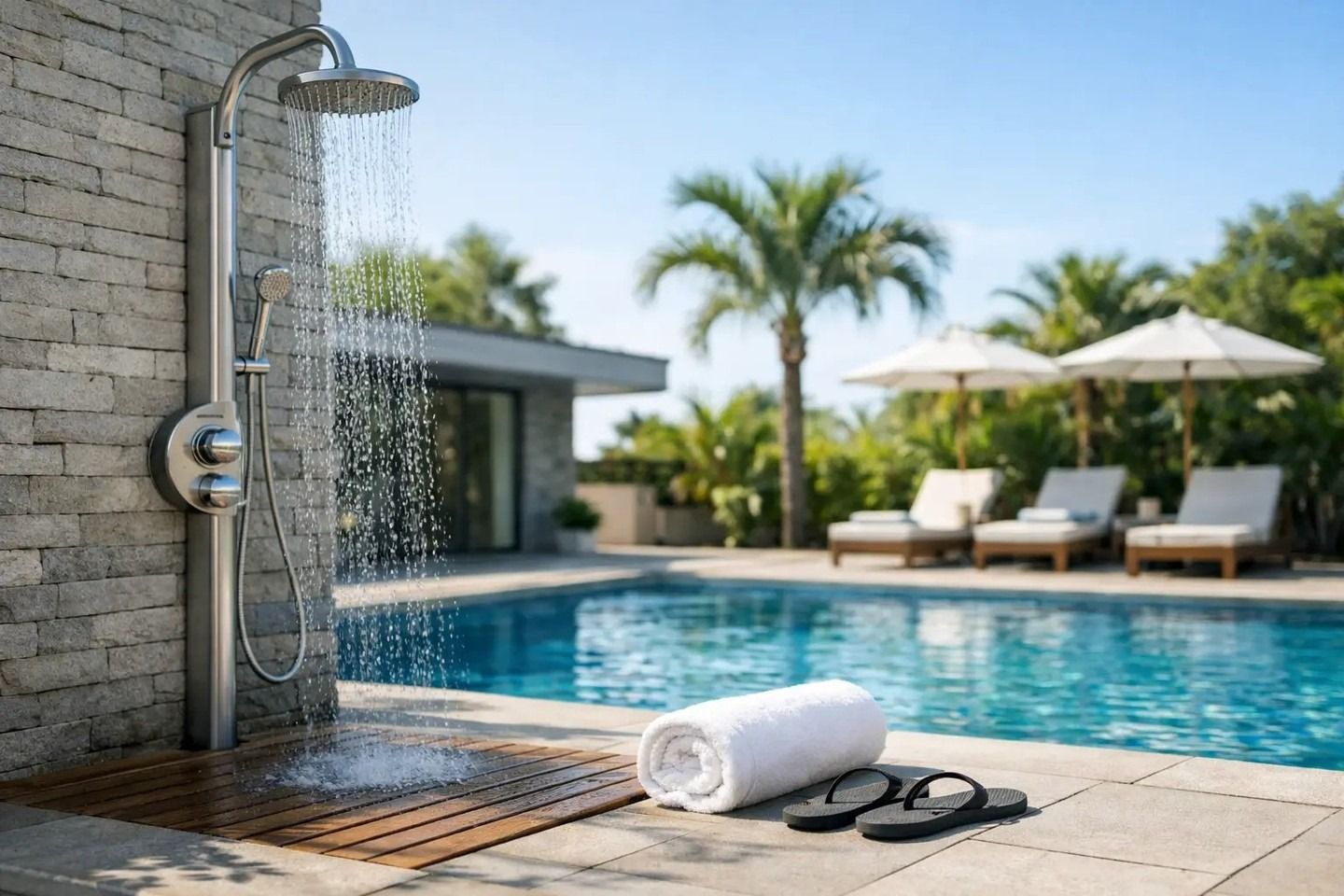
One of the biggest service differences shows up around installation readiness. Some providers simply ship equipment, while others help you prepare for a smooth setup by sharing mounting requirements and recommended practices. If your facility lacks experience with plumbing or stainless steel outdoor shower exterior fixtures, choose a vendor that explains what to expect from water hookup to finishing details. That guidance can protect the equipment’s performance and help prevent leaks or misalignment that can disrupt daily use.
Consider whether the vendor supports your facility’s staffing reality. For example, parks departments and school maintenance teams may have limited time to coordinate multiple vendors. A practical hydration solution should come with documentation that your team can follow without guesswork, including how to maintain safe operation.
Maintenance, warranty, and parts availability
Service isn’t only about getting the unit installed; it’s also about keeping it working reliably. Compare how each supplier handles maintenance recommendations, cleaning guidance, and long-term care so the station continues to dispense water smoothly. Durable materials and thoughtful design help reduce wear, but your maintenance approach affects performance in real settings. A supplier that provides clear instructions supports staff training and reduces the chance of accidental damage during routine upkeep.
Warranty terms and how fast parts can be obtained are key indicators of service quality. Ask whether common components are stocked, how warranty claims are processed, and what troubleshooting steps are expected before a replacement is issued. Facilities that serve children and high-traffic visitors benefit from vendors who treat downtime as a serious issue. In many cases, the easiest way to protect community hydration is selecting a supplier with competitive pricing and straightforward support, so repairs don’t become a long project.
Conclusion
Choosing a hydration upgrade is easier when you compare service delivery alongside the equipment features. The best outcomes typically come from a partner that supports planning, clarifies installation expectations, and makes maintenance and warranty help accessible. That combination helps schools, parks, and public facilities deliver consistent access to clean drinking water without operational headaches. It also helps you manage budgets by aligning the right product choice with reliable procurement and support. If you want a dependable approach to hydration solutions, The Fountain Direct is built around practical installation needs and responsive service. Their range of bottle-filling options is designed to support communities, businesses, and public spaces that need durable performance. With free shipping and competitive pricing, you can focus on outfitting your facility instead of juggling complicated logistics. For a straightforward path from selection to service-backed use, The Fountain Direct is a strong place to start.