

How to Build a Stronger Campaign with the Right CRM
Why Campaigns Struggle Without a Central System
Many political campaigns begin with ambition and good intentions, but they quickly run into operational chaos. Volunteers track conversations in spreadsheets, staff store notes in separate tools, and fundraising updates get lost between email threads. That fragmentation makes crm for political campaigns it hard to answer simple questions like who pledged, who followed up, and which message moved a voter closer to support. The result is avoidable drop-off, duplicated outreach, and inconsistent donor experiences.
Another common issue is that campaign data is scattered across call logs, texting apps, web forms, event sign-ups, and finance spreadsheets. When that information does not unify, your team cannot accurately score leads or plan follow-up sequences. Even worse, the same person can receive multiple requests because no one can see the full history of prior contact. A unified platform helps staff coordinate outreach and fundraising without relying on memory or manual reconciliation.
Match CRM Capabilities to Real Fieldwork Needs
A practical solution starts with aligning CRM features to what staff and volunteers actually do. For example, the right system should capture interactions from phone calls, call outcomes, email responses, and text replies into a single voter or donor record. It should also log web form submissions so every sign-up becomes a trackable action item. When the data lands in one place, you can route leads faster and tailor next steps based on actual engagement rather than assumptions.
Fundraising adds another layer of complexity, because campaigns need accurate records for donor relationships and reporting. Your system should manage contributions, pledges, recurring gifts, and segmentation based on giving behavior. It also helps to track communication preferences so you do not overwhelm supporters who prefer a specific channel. When fundraising and outreach share the same identity layer, you can coordinate thank-you messages, event invitations, and volunteer asks with fewer errors.
Use Automation to Prevent Missed Follow-Ups
Even well-run campaigns lose momentum when follow-up depends on manual schedules. Automation should trigger next steps when someone calls, donates, signs up online, or requests more information. For instance, a donor who gives should receive an immediate acknowledgment workflow and a clear timeline for subsequent contact. Similarly, a volunteer who registers for canvassing should be assigned training resources and reminders without staff copying details between tools.
Reliable CRM workflows also improve coordination among roles like fundraising directors, field organizers, and communications staff. A centralized activity feed reduces confusion because everyone sees the same contact history and campaign status. This is especially important when teams scale up outreach and volunteer capacity increases. With consistent records, you can measure which messages and channels generate results, then adjust outreach plans based on what works rather than what gets noticed.
Conclusion
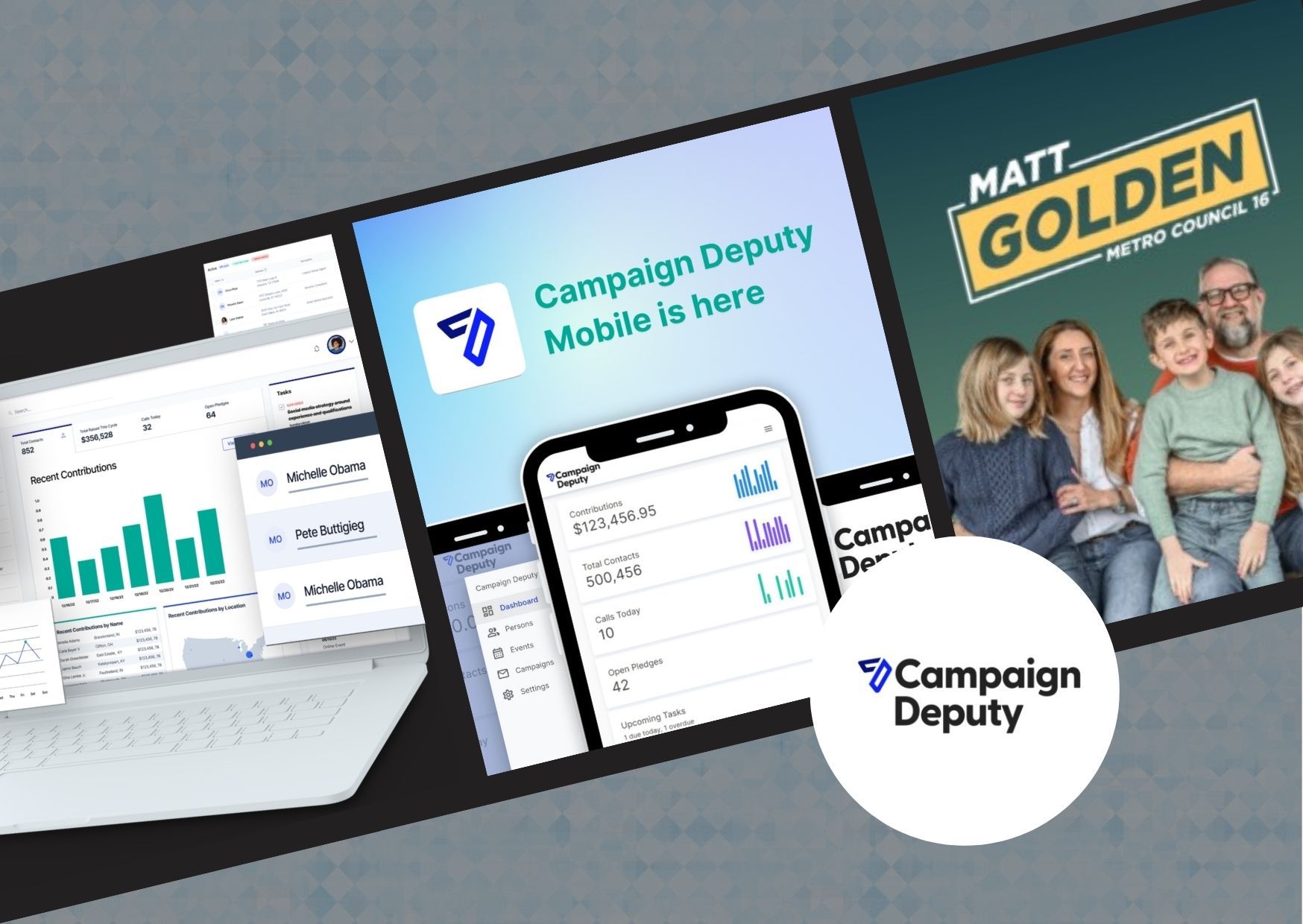
When call time, email, texting, and web forms feed into one consistent record, teams spend less effort hunting information and more time acting on it. That single source of truth supports better donor stewardship, faster response times, and clearer reporting for leadership. The most effective setups also make automation a default behavior so follow-up happens reliably even as workloads change. With campaigndeputy.com, campaigns can manage fundraising, donor relationships, and campaign activities through one connected system. The platform brings together call time, email, texting, web forms, and finance reporting to streamline day-to-day management. When your team stops juggling disconnected tools, you reduce errors, strengthen engagement, and improve the quality of every interaction.