

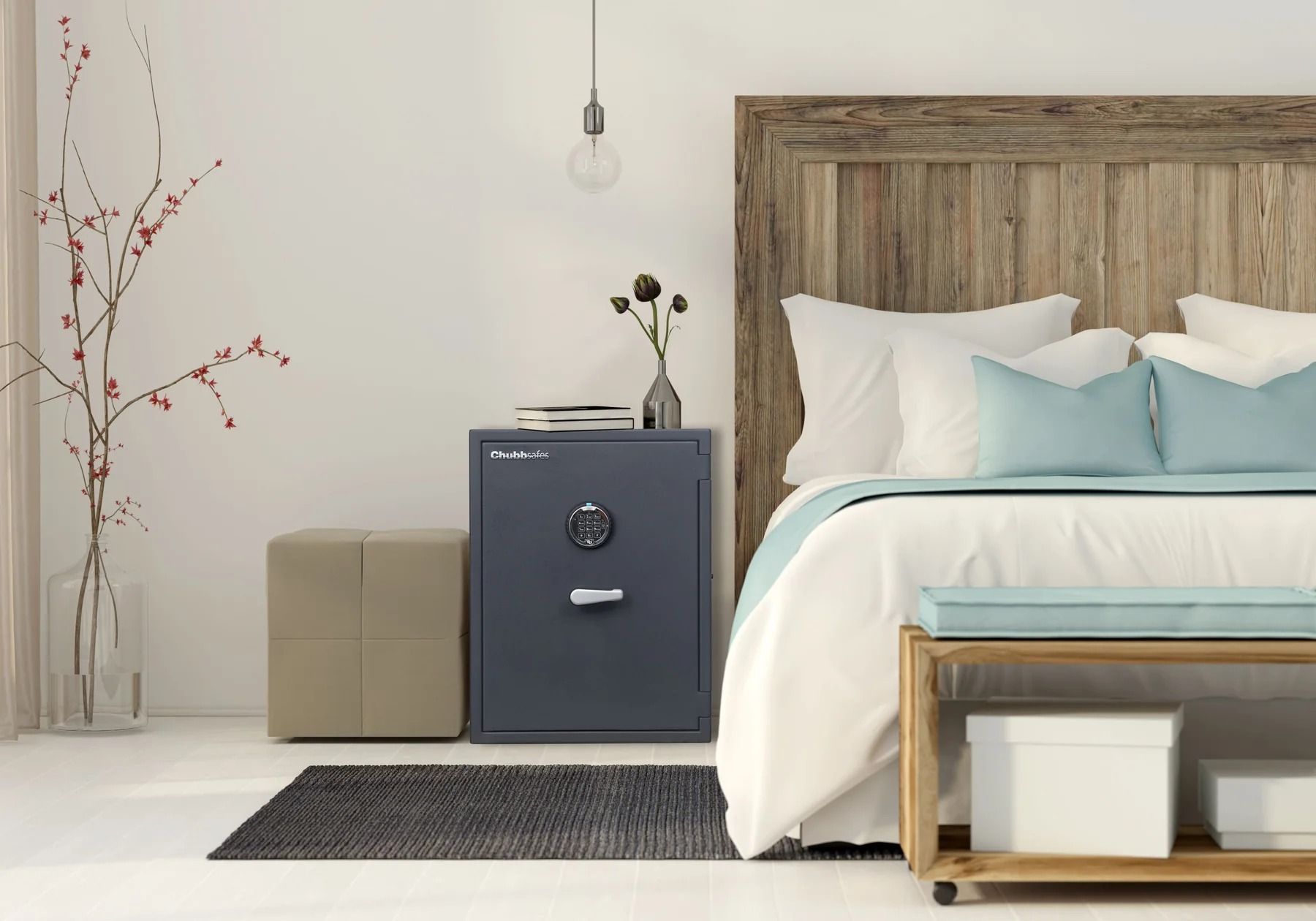
Buyer’s Guide to Choosing the Right Chubb Safe for Home
Start with what you’re protecting
Before choosing a safe, make a clear list of what you plan to store, such as passports, deeds, jewellery, cash, hard drives, or sensitive business files. Different items have different risk profiles, and that affects how much fire resistance, burglary resistance, and interior flexibility you need. For chubb safes example, documents typically require stable, dry storage, while valuables may benefit from anti-theft features and adjustable shelving. Measuring the approximate size of your items helps you avoid buying a safe that looks large on paper but doesn’t fit real-world gear.
Consider also who will access the safe and how often. If multiple staff members or family members need controlled access, look for models that support reliable locking and clear user management. If the safe will sit in a shared office or retail back room, you may need a higher tolerance for daily use and a mounting approach that discourages tampering. Finally, think about how you would respond to a break-in attempt, including whether you want a solution that deters theft immediately rather than simply delaying it.
Match burglary resistance and placement to your risks
Burglary resistance isn’t only about the safe’s build quality; it also depends on where you install it. A strong safe placed in a weak area of the premises can still be a target, so plan for solid fixing to the floor or wall where appropriate. Evaluate the surrounding security safes environment, including the proximity of the safe to doors, windows, and potential tools, because these factors influence attack opportunities. If the safe is intended for workplace use, think about how access controls and CCTV coverage integrate with the physical protection.
When buyers compare safe features, focus on what each feature does for real security rather than marketing claims. Look at door construction, locking mechanism design, and the safe’s overall rigidity, since these elements help resist forced entry methods. If you need protection against theft of contents rather than just the unit itself, consider options that make it harder to remove the safe from its location. An informed buyer also checks whether the safe can be installed correctly with the right anchoring hardware and whether installation guidance is available.
Choose the right size, locking options, and fire protection
Size should be driven by both your current needs and reasonable future growth. Many buyers regret purchasing too small, especially when they later add extra documents, spare keys, or replacement devices. Measure the usable interior space and account for shelves, trays, or compartments, because these can reduce the space available for bulkier items. If you store electronics or media, confirm that the safe’s interior layout suits your equipment and allows for safe organisation.
Locking options are another key decision point for buyer intent. Mechanical locks can be straightforward, while electronic models may offer convenient code entry and structured access control, depending on the configuration. Choose a locking system that fits how you manage access, especially if the safe is shared across a household or team. Fire protection can matter just as much as burglary resistance, so assess the type of documents and materials you keep and whether you need enhanced fire performance. A balanced selection helps ensure you’re not overpaying for features you don’t need, while still covering your most likely loss scenarios.
Conclusion
Choosing the right safe is easier when you approach it like a risk-based purchase: protect the items you care about most, install the safe in a sensible location, and select appropriate resistance and locking features. A buyer-intent approach also means verifying dimensions, planning for anchoring, and matching fire needs to the contents rather than guessing.
Security Safes can guide you toward a safe setup that fits both home and workplace environments, including practical considerations like access management and safe placement. When you’re ready to buy, prioritise suitability over size alone and choose features that address your real threats. By aligning the safe’s capabilities with your storage goals, you can better protect valuables, important documents, and essential belongings with a product designed for security-first living.