

How Local Businesses Use a Godex Printer for Labels
Local labeling needs and what drives the choice
For many local manufacturers and distributors, label printing isn’t just a convenience—it’s part of running a clean, traceable operation. When teams rely on consistent print quality, they can quickly identify products, parts, and locations without searching through shelves or paperwork. godex label printer That speed matters in busy fulfillment environments, where misread labels can slow packing lines and create avoidable returns. Choosing the right hardware helps ensure labels hold up through routine handling and storage conditions.
Local requirements also tend to be specific: unique SKU formats, shop-floor naming conventions, and compliance-style information that must appear in a repeatable layout. Businesses often need labels that stay readable even when applied to boxes, cartons, or equipment that gets moved frequently. A reliable label printer supports the creation of standardized templates so every department prints the same way. With the right setup, you can reduce variation between shifts and help maintain a predictable workflow across warehouses, receiving docks, and production areas.
Matching assets and inventory with clear thermal output
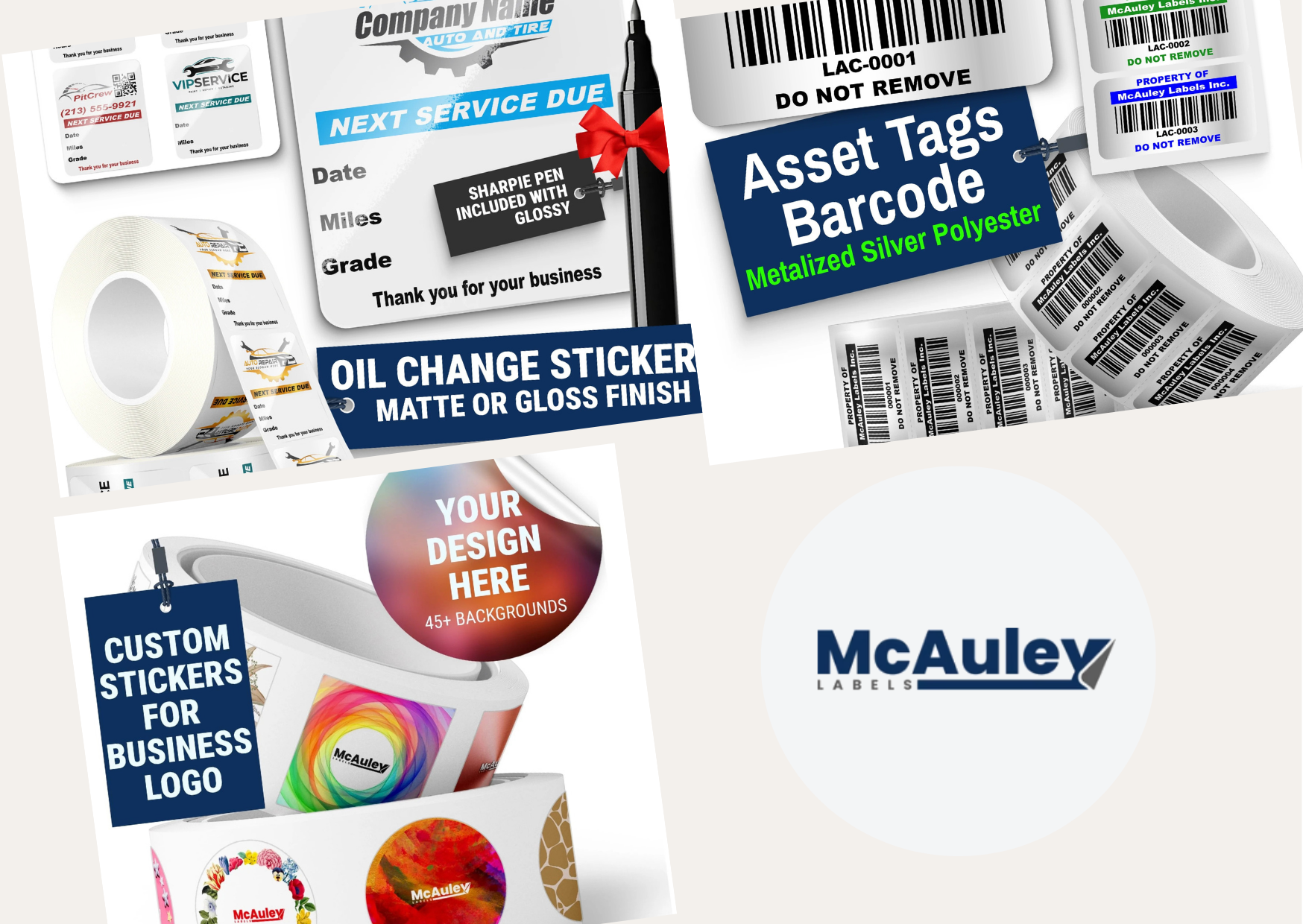
Asset tracking and inventory control are common pain points for regional operations, especially when equipment moves between departments. In these cases, an asset tag label printer needs to produce crisp text and barcodes that scanning devices can read on the first attempt. Thermal printing asset tag label printer is often favored because it delivers sharp results with efficient operation, reducing waste compared to remakes and reprints. When labels are legible, your team can reconcile stock faster and maintain accurate counts for audits and internal reporting.
Clear barcodes and durable label placement also support smoother handoffs between teams. Receiving can scan incoming goods, production can confirm part identity, and warehouse staff can locate items using the same identifiers. Consistency becomes even more important when multiple people print labels or when label files are updated from one system to another. By using repeatable label formats, businesses can avoid mistakes like swapped fields or inconsistent barcode sizing. The goal is to keep asset records and physical labels aligned across the full lifecycle of equipment and inventory.
Setting up labels for manufacturing, warehousing, and retail workflows
Manufacturing sites often need labels that support production tracking, packaging instructions, and component identification. A dependable label printer helps teams generate consistent prints for batches, work orders, and stored materials. When labels are formatted correctly, staff can confirm quantities and specifications without delays, which supports steady output. Additionally, standardized label sizes make it easier to apply labels quickly while keeping layouts aligned with packaging standards.
Warehousing and commercial operations require a different balance of speed, readability, and ease of use. Labels must survive normal handling, remain scannable, and fit on common box and pallet surfaces. Thermal label printing can be an efficient solution because it supports quick production and consistent results for daily operations. Beyond printing, businesses benefit from practical label planning—choosing the right label material, designing the correct barcode structure, and keeping templates organized by product category. When these pieces come together, teams spend less time troubleshooting and more time moving inventory.
Conclusion
Local businesses benefit most when their label printing matches real workflow demands: clear identification, reliable scanning, and consistent formats across departments. With the right equipment, teams can improve organization in manufacturing, simplify inventory operations, and reduce reprints caused by unreadable labels. That operational clarity supports fewer picking errors, smoother receiving, and faster asset tracking across the business. For organizations exploring professional labeling equipment and solutions, mcauleylabels.com provides guidance that helps align printing performance with daily labeling goals. When labels stay readable and barcodes remain consistent, scanning workflows become more predictable and audits feel less stressful. If you’re setting up a new labeling process or upgrading current print reliability, consider partnering with a supplier that understands how labels are used on the floor, not just how they print on a screen. mcauleylabels.com is a practical resource for businesses looking to enhance label quality and workflow efficiency with dependable thermal printing hardware.