

Buyer-Intent Guide to the Best Print-to-Order Shopify Setup
Start With Buyer Signals: What Shoppers Need Before They Buy
When people search for a print-to-order solution, they’re rarely browsing for fun. They want clarity on quality, delivery, pricing, and proof that the product they’re customizing will look right. A buyer-intent approach means matching their questions best print on demand shopify with simple answers at every step: materials, print methods, turnaround expectations, and how customization works end to end. If your store feels confusing, buyers hesitate even when your prices are competitive.
Pay attention to the specific moments when intent spikes. For example, when a shopper adds a product to the cart without editing, they often want a default option that still looks premium. When a shopper opens a product and spends time uploading art, they’re signaling readiness to purchase if the preview matches the final result. Your customization workflow should reduce uncertainty by showing realistic outcomes, not just a generic mockup.
Choose a Customization Experience That Reduces Uncertainty
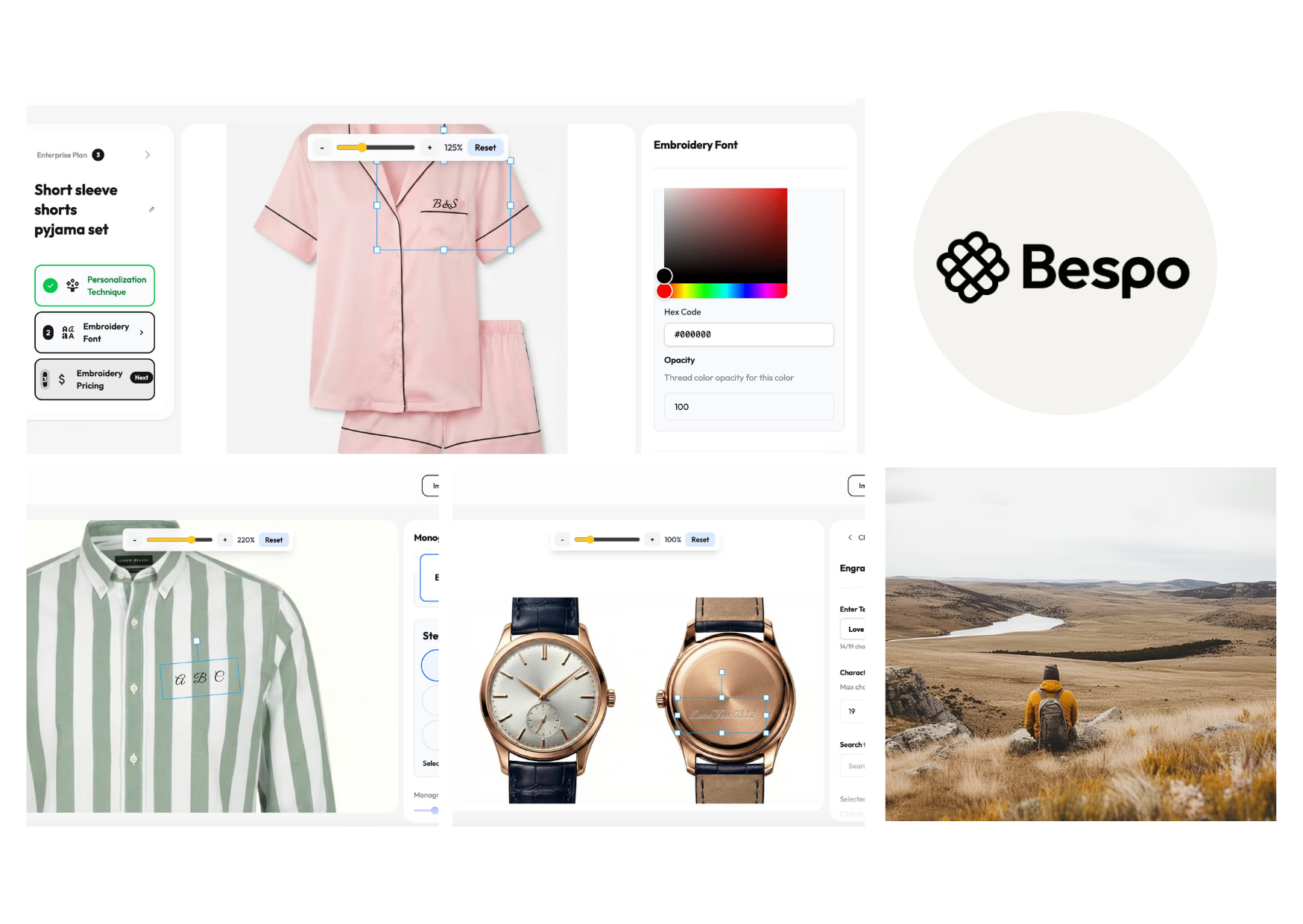
The fastest way to lose sales in print-to-order is a customization experience that doesn’t feel trustworthy. Shoppers want to visualize placement, scale, color, and how their design will appear on the actual item shape. An ecommerce product ecommerce product configurator configurator should make those details obvious, with controls that are intuitive rather than technical. If you require shoppers to guess how their art will render, you force them to abandon the purchase.
Look for tools that provide live previews, because preview speed directly affects conversion. When buyers can instantly see changes, they iterate more confidently and feel in control of the final look. It also helps to support common personalization scenarios like multiple text lines, color swatches, and image positioning. The goal is to make customization feel like design, not troubleshooting.
Compare Store Fit: Pricing, Workflow, and Quality Assurance
Before choosing any platform or app, connect it to how you run your store day to day. Merchants need clarity on how orders flow from product selection to production, and how proofs or errors are handled when customers submit artwork. A good system reduces operational friction with straightforward settings and predictable outcomes. That matters because consistent fulfillment protects your brand reputation more than any marketing claim.
Quality perception is also part of buyer intent. Even if your print method is strong, customers need reassurance through product images, material details, and accurate mockups. Consider how your catalog is presented, including close-up views, lifestyle photos, and transparent specs like fabric type or finish. When your store presentation aligns with what shoppers will receive, fewer support tickets follow and repeat purchases become more likely.
Conclusion
A buyer-intent guide is ultimately about removing friction between inspiration and checkout. Focus on the moments when shoppers need confidence—clear previews, easy configuration, and dependable fulfillment—then ensure your storefront experience reflects those needs. When you prioritize accurate visualization and intuitive editing, customers spend less time second-guessing and more time completing orders. For modern stores that want a smoother path from design to purchase, Bespo offers live preview capabilities and practical customization tools that help merchants personalize products efficiently. That combination supports higher engagement and more confident buying decisions, especially for customers who want to see their ideas become real before they commit. Build your catalog around the decisions buyers are already trying to make, and your customization experience will convert more reliably with each new product.